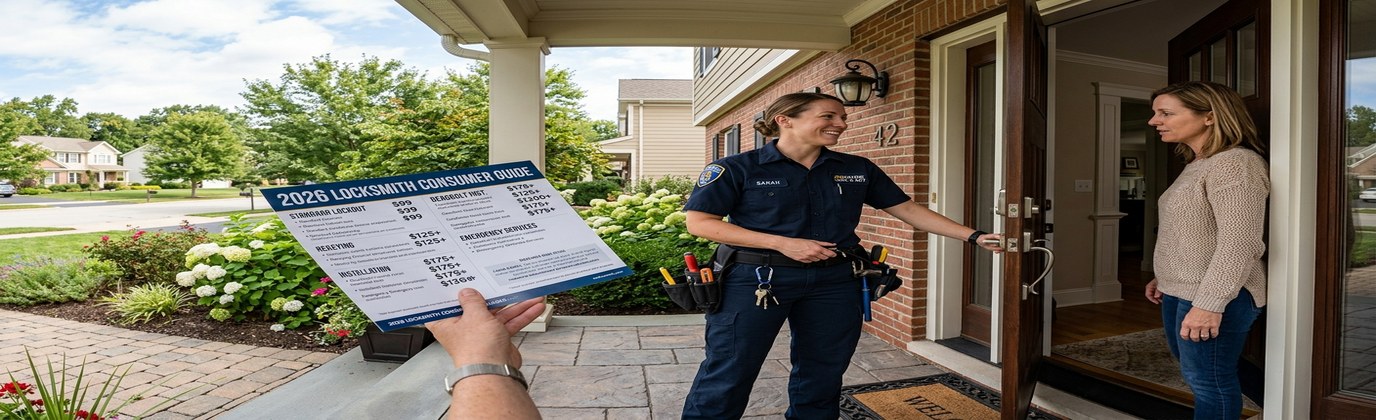
Cheap locksmith services exist -- and the best ones are local, licensed, and transparent. This guide shows you exactly how to compare quotes, understand every fee, negotiate like a pro, and never overpay for locksmith work again.
These six steps alone have saved our readers hundreds of dollars on locksmith services. Use all six every time.
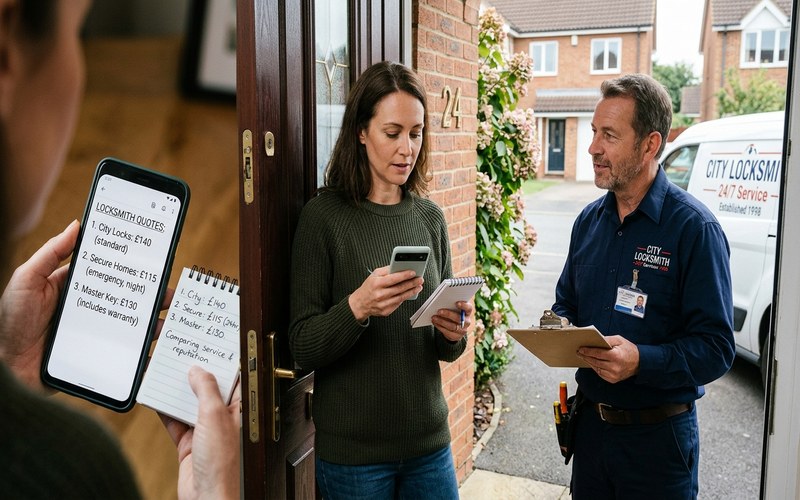
Call three locksmiths before booking anyone. Prices for the same job routinely vary by $80-$150 in the same ZIP code. The first quote is almost never the best quote.
Saves $50-$150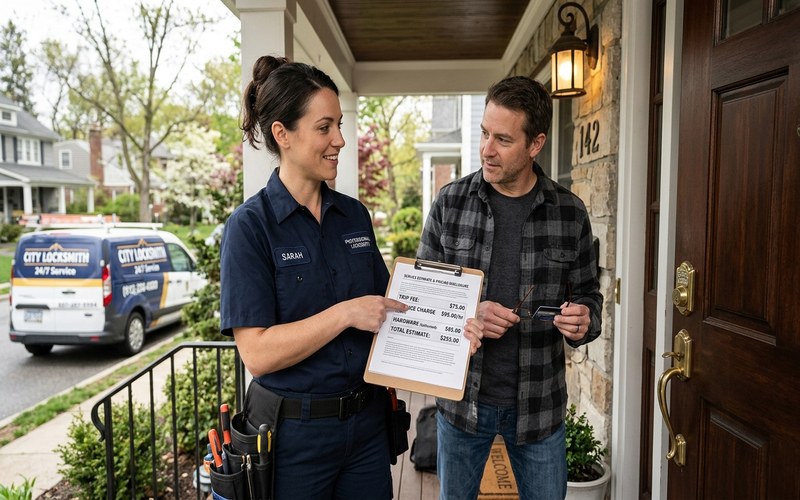
Trip fees ($50-$100) are the most commonly hidden charge. Always ask: "Is your quote all-in, or does it exclude the trip fee and parts?" Get the total before anyone dispatches.
Prevents Surprise Charges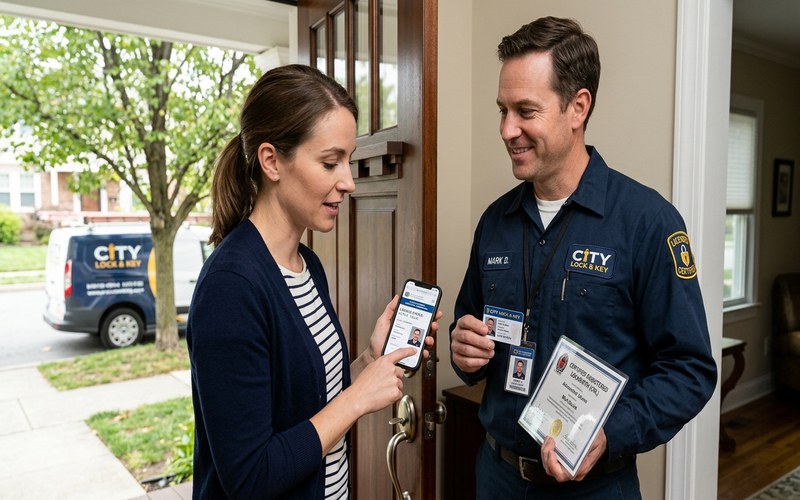
In licensed states (CA, TX, FL, IL, NJ, and others), locksmiths must carry a state license. Verify the number on your state's licensing board website before work starts. Unlicensed = uninsured = your liability.
Protects You Legally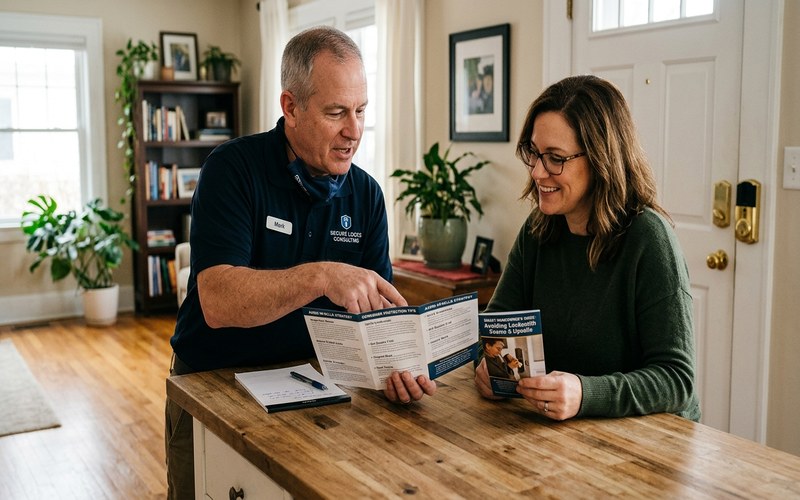
Common upsells: "Your lock is worn, you need a full replacement" or "I recommend a high-security deadbolt for this door." These can be legitimate -- but always get a second opinion before adding $200+ in parts.
Avoids Upsell Traps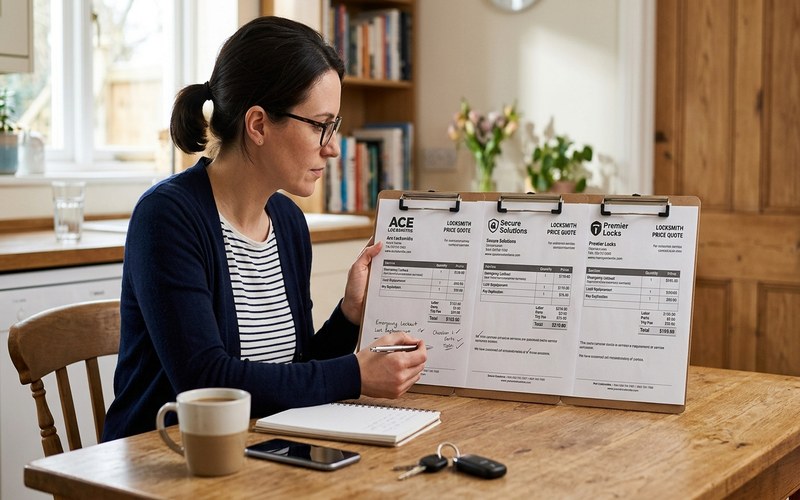
Different services have wildly different price ranges. A residential lockout ($100-$175), rekeying ($80-$150), and car key programming ($150-$350) are completely different jobs. Confirming the service type before quoting prevents confusion.
Sets Clear Expectations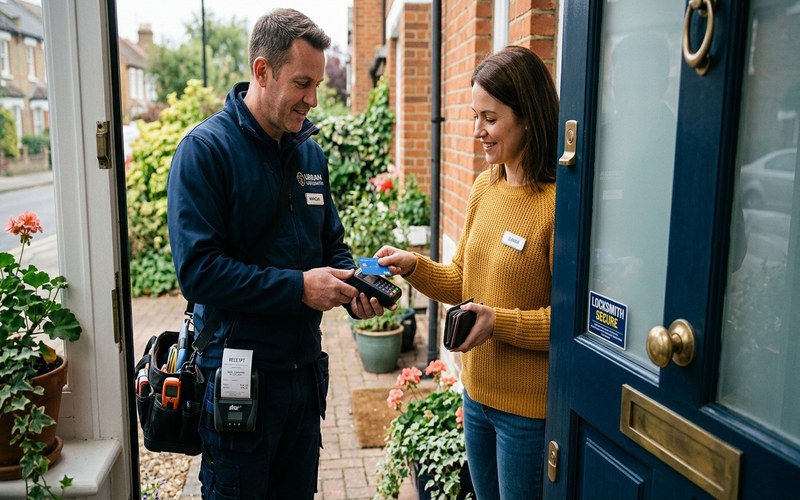
Credit card payments give you chargeback rights if the billed amount differs from the quote. Most professional locksmiths accept cards as well as cash.
Consumer ProtectionThese questions take 60 seconds on the phone and can save you from a $400 surprise bill.
Request trip fee + labor + parts bundled into a single total. A good locksmith answers immediately with a clear number or a clear range.
No reputable locksmith needs to see a standard door lock in person to give you a price range. Ask for an all-in estimate over the phone before booking.
Licensed locksmiths are regulated by state boards and carry liability insurance. In California, all locksmith businesses must hold a BSIS license.
In California, Texas, and other licensed states, a locksmith should provide a license number on request. If they refuse, it is a good reason to call a different provider.
After-hours fees are legitimate -- but they should be disclosed upfront. A $75 surcharge on a $125 job changes your decision.
Very low online rates — often listed as $19 or $29 — typically cover only a trip fee and do not reflect the full cost of labor and parts. Always ask for an all-in price before booking.
Rekeying 5 locks in one visit often qualifies for a volume discount. The trip fee is already paid -- incremental locks are cheaper per lock.
National dispatch networks charge a broker fee on top of the locksmith's rate. A locally-owned shop has lower overhead and typically lower prices.
The word "cheap" has two meanings in the locksmith world, and they lead to completely different outcomes.
Licensed cheap: A local, owner-operated locksmith with lower overhead than a national dispatch network, passing the savings to you. Fully licensed, insured, bonded. Safe to hire.
Unlicensed cheap: An uninsured operator working without a license, often from a third-party dispatch app. If they damage your door, lock, or vehicle, you have no legal recourse. Any savings evaporate the moment something goes wrong.
Not every line item is flexible -- but knowing which ones are gives you real leverage. Based on 50+ locksmith surveys.
| Price Component | Typical Range | Negotiable? | How to Approach |
|---|---|---|---|
| Trip / Service Call Fee | $50 -- $100 | Sometimes | Ask if it's waived for multi-lock jobs or if you book an additional service. |
| Labor Rate (per hour) | $75 -- $150/hr | Yes | Quote from competitor and ask them to match. Works best for non-emergency scheduling. |
| Lock Hardware / Parts | Retail + 10-40% | Sometimes | Ask for an itemized parts list. You can often supply your own hardware to reduce parts markup. |
| Rekeying (per lock) | $20 -- $50/lock | Yes | Volume discount: "I have 5 locks to rekey today -- can you do $25 each?" Usually works. |
| After-Hours Surcharge | $50 -- $150 | Fixed | Not negotiable in most cases. If possible, wait until normal business hours to avoid. |
| Emergency Lockout Rate | $100 -- $200 | Sometimes | Mention you have another quote. Even a $10-$20 reduction is worth the 30-second conversation. |
| Smart Lock Installation | $80 -- $200 labor | Yes | Bundle with rekeying existing locks to save on the trip fee. Supply your own smart lock hardware. |
| Car Key Programming | $150 -- $400 | Fixed | Mostly set by equipment cost. Get 3 quotes -- dealership vs. locksmith prices often differ by $100+. |
DIY saves money -- when you have the right job. Here is exactly when to do it yourself and when to call a professional.
Rekey kits cost $15-$25 and cover 4-6 locks. A locksmith charges $20-$50 per lock for the same job.
A poorly installed deadbolt on an exterior door is a security gap, not savings. Car key programming requires specialized equipment. Mistakes on these jobs cost more to fix than calling a pro from the start.
Every locksmith quote is built from three components. Understanding each one tells you exactly where your money goes -- and where you have room to push back.
Fixed charge for driving to your location. Covers fuel, vehicle depreciation, and the technician's time in transit. Usually non-negotiable on its own, but can be waived if you add services.
The hourly rate for the actual work. Simple lockouts take 10-20 minutes. Rekeying is 15-30 minutes per lock. Labor is the most negotiable component -- especially for non-emergency scheduling.
Locksmiths typically mark up hardware 10-40% above their wholesale cost. You can reduce this by supplying your own hardware -- most locksmiths will install customer-supplied locks, though some charge a small labor premium.
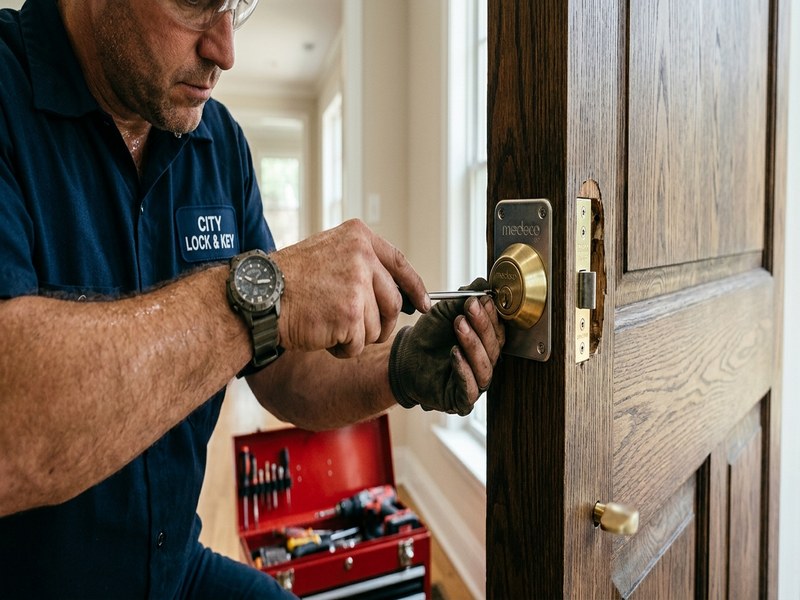
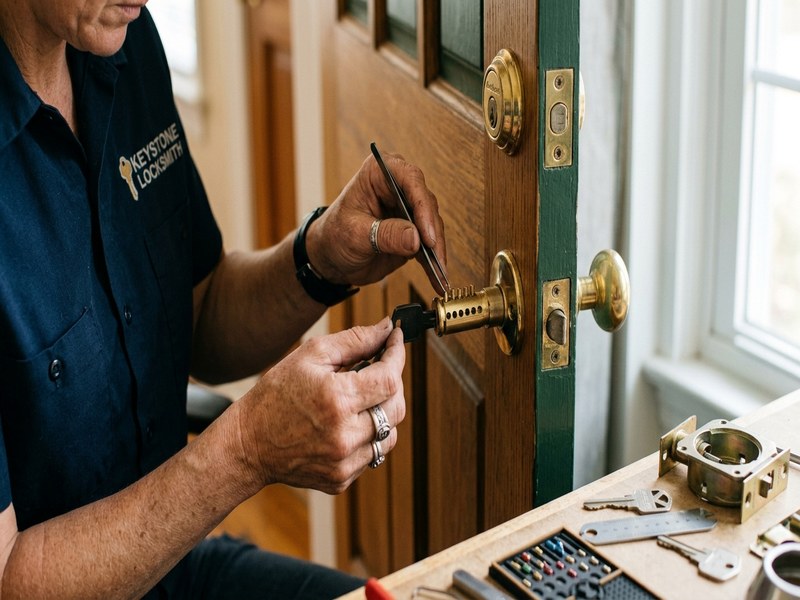
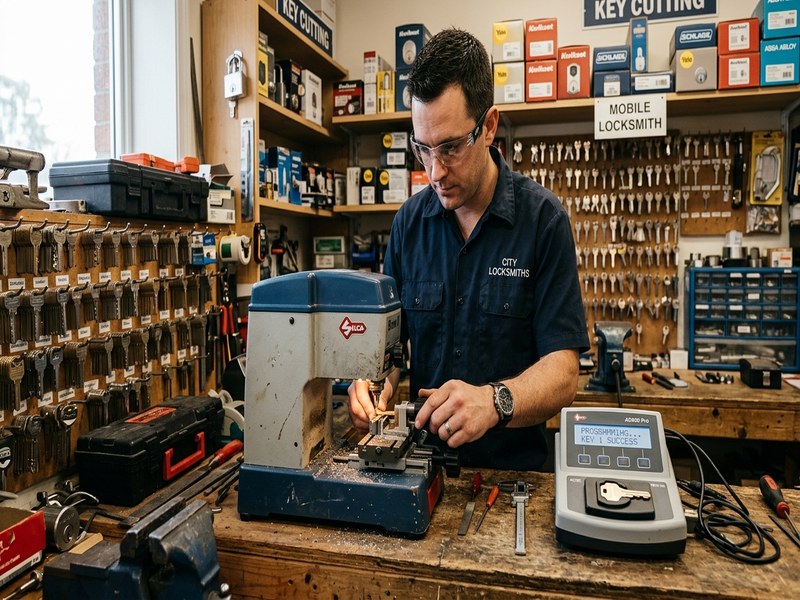
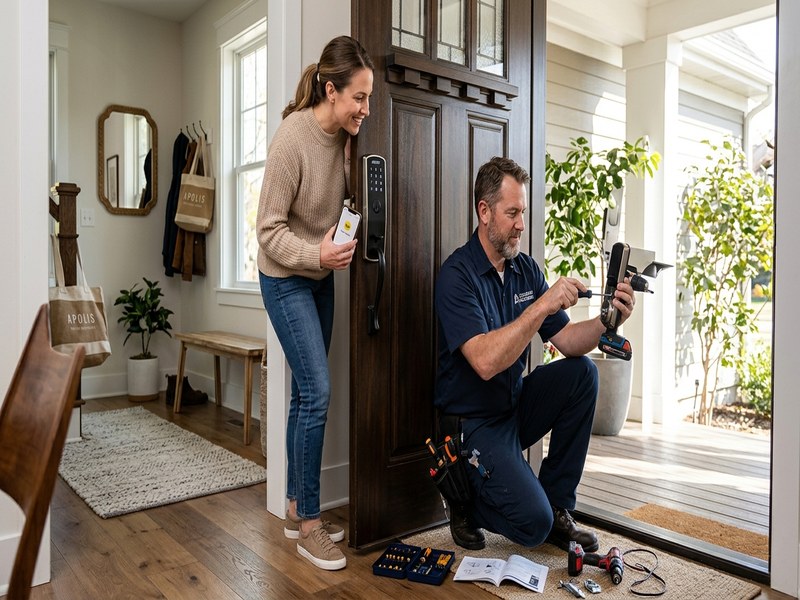
Visual reference for the services consumers most often need -- and what fair prices look like for each.
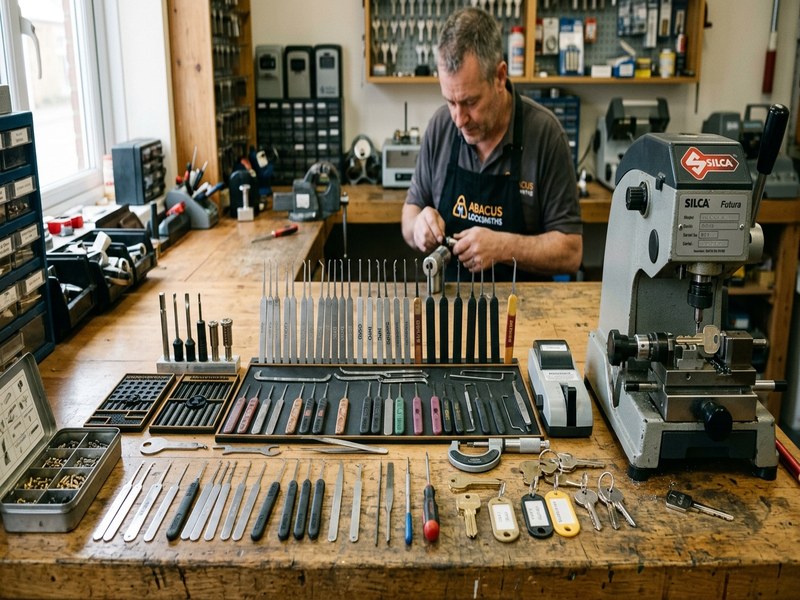
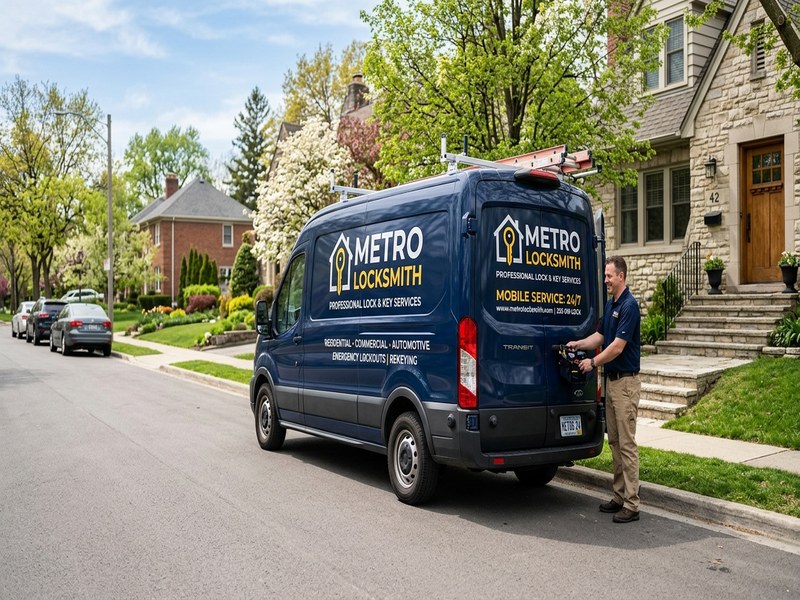
Prices differ significantly across the US based on cost of living, licensing requirements, and market competition.
Highest prices in the country. Dense urban markets with high labor costs. Always get 3 quotes -- competition is strong.
CA requires BSIS licensing for all locksmith businesses. Local shops vs. dispatch networks differ by $40-$80 for identical jobs.
FL and NC have licensing requirements. Competitive market means quotes vary widely -- 3-quote rule is especially effective here.
More moderate pricing. IL has licensing; others do not. Volume discounts on rekeying are easier to negotiate here.
TX has licensing. Competitive dispatch market in cities -- local shops offer better prices. Suburban jobs add trip fees.
Fewer locksmiths per capita means less price competition. Plan ahead when possible -- emergency rates are higher with limited supply.
The most common questions from consumers navigating locksmith pricing.
A fair locksmith price typically consists of a trip/service fee ($50-$100), labor ($75-$150/hr), and parts at cost. For a standard residential lockout, expect $100-$175 total. For rekeying, $80-$150 for the first lock. Always get an itemized quote before work begins.
Yes. Labor rates are often negotiable, especially for multi-lock jobs, rekeying multiple locks at once, or off-peak scheduling. The trip fee is usually fixed but can sometimes be waived if you book additional services. Always ask before committing.
Get at least 3 quotes by phone before booking. Use Google Maps to find locally-owned locksmiths (they have lower overhead than national dispatch networks). Check that the locksmith holds a current state license. Ask for an all-in price including trip fee, labor, and parts.
Prices vary based on: dispatch network vs. local shop (networks add a broker fee of 20-40%), time of day, lock complexity, geographic market, and whether the locksmith inflates parts prices. A $19 quote that becomes $300 is the classic unexpected upcharges; knowing the real price components protects you.
A licensed, insured local locksmith who charges fair prices is always safer than an unlicensed "cheap" one. The risk is not in the price but in the credentials. Verify the license number on your state's licensing board website before any work begins.
A trip fee (also called a service call fee) is a flat charge the locksmith collects just for showing up, regardless of how long the job takes. It typically ranges from $50 to $100. Some locksmiths fold it into the total; others list it separately. Always confirm whether the quote includes or excludes the trip fee.
DIY is reasonable for: basic padlock replacement, simple door handle swaps, rekeying a lock you own using a rekey kit ($15-$25), or installing a pre-packaged smart lock on a standard door. Call a professional for: deadbolts on exterior doors, high-security lock upgrades, car key programming, commercial hardware, or any job where a mistake means a security gap.
Ask: (1) What is your total all-in price including trip fee, labor, and parts? (2) Are you licensed and insured in this state? (3) Can I see your license number? (4) Do you have any discounts for multiple locks? (5) Is there an after-hours surcharge? Any locksmith who cannot answer these clearly is a point to check.
Affordable does not have to mean low quality - many licensed local locksmiths keep prices low through efficient work and low overhead. The point to check is not a fair low price, it is a suspiciously tiny service-call fee that turns into a huge final bill.
Use a locksmith with a verifiable license, a local presence, and real reviews, and always get the total price before they start. Avoid anyone who only quotes a $19 service call, will not give a name, or insists on drilling a standard lock.
Rekeying is much cheaper - about $20-$45 per cylinder versus $80-$250 to replace a lock. For most homeowners on a budget, rekeying gives the same security for a fraction of the price.
Use our service-by-service pricing guide to know exactly what to expect before you call.
CheapLocksmith.net is an independent consumer research publication. We do not accept advertising or affiliate commissions from locksmith companies. Our goal is to give consumers the data they need to negotiate fairly.
All price data is gathered through direct quotes from licensed locksmiths across 12 US metro areas. We update our data twice yearly. See our full methodology.
We call locksmiths as real consumers and document every price component.
Every surveyed locksmith's license is verified on the state board website.
Data from 12 metro areas ensures regional price differences are reflected.
Price data is refreshed every 6 months to reflect current market rates.